
shouting, singing, living
Night Must Fall (1937), the horror of being queer, but the relief of being seen.
When I was thinking about my Pride essay this year, I knew I wanted to write about the movies that are in my personal celluloid closet. Inspired by the book/documentary of the same name, my own list contains my favorite portrayals of queerness on screen, from the 1930s to the present. There’s some queer subtext in there—Rebecca, Rope, Tea and Sympathy—but there’s also unequivocal depictions of the gay experience, from T-Bird at Ako to Victor/Victoria to Carol. All of these movies are important to me. They make me laugh, they make me cry, they make me feel tender, they make me feel seen. This year, I’d like to tell you about Night Must Fall, the 1937 MGM thriller-drama starring Robert Montgomery, Rosalind Russell, and Dame May Whitty. I’d like to tell you how much it has reached into the far recesses of my heart, taking something so true and holding it up to the light—or the half-light, at least. Spoilers for the film ahead, but take it from me: you can know everything about this movie beforehand, and your experience of watching it will still be incredible.
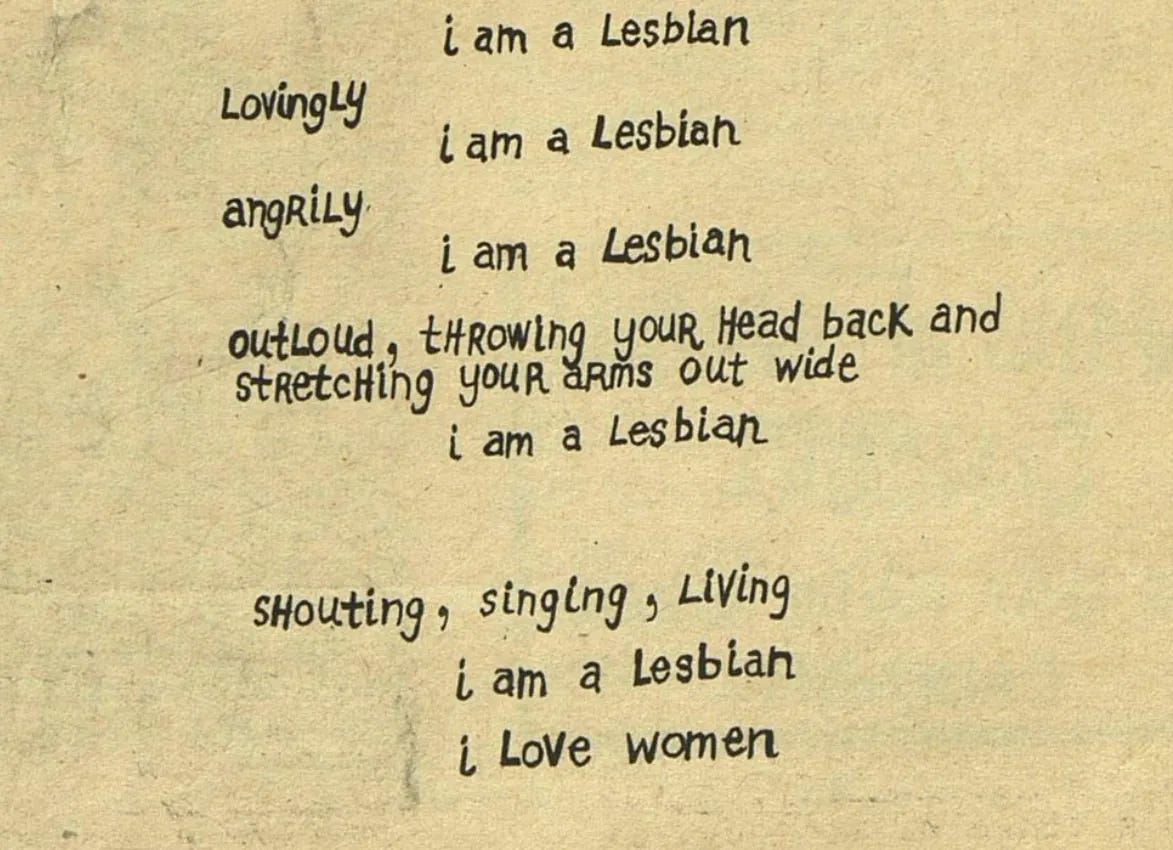
Even when I didn’t know I was a lesbian, I was already a lesbian. And I will be forever, so long as the rest of the world quiets down the minute a woman—beautiful, broken, beloved, or whatever else—enters a room. It’s happened to me a million times, and it happens, always, like this:
The day is like any other, and the world around me is noisy, chaotic. Once, it was the first day of sophomore year, high school. Another time, it was the first day of my first year in college. But the moment looks exactly the same. Heels on the floor, the chatter turning into murmur until it all falls silent. My vision slows down, but my heart does the opposite. And the world… the world is quiet. The world is peaceful. And the world—my world—is never again the same.1
Early on, it was a feeling that felt good. Suddenly, everything about me made sense. I never had any interest in men, unless they were fictional or dead (and even then I wasn’t attracted to them), but I often carried printed-out photos of my favorite actresses in my wallet. I never ached to have a boyfriend, but I always dreamed about being whisked away by a beautiful woman with beautiful hair.
Sometime in 2017, I was interviewed for a research paper. The question was whether I’d ever been in denial about my sexuality, or if it had changed the way I viewed myself. “No,” I said. “I’ve never not accepted myself.”
I used to identify as bisexual, but an experiment on Tinder2—I swiped right on a guy, and he messaged me asking if I was DTF—solidified that I, in fact, was not.
So I gave away my bi Pride flag, and never looked back.
The older I get, the more I understand elder queers who shun labels. It’s all the same, they often say. It’s more divisive than anything. And I agree. But I’ve always also believed that putting words to something is important. It’s powerful. So, yeah: I’m a lesbian. I’m a dyke. I’m queer. And I’m proud.
Being queer is beautiful. I wouldn’t trade it for anything in the world. But because of the way the world is, being queer is also horrifying. Being queer isn’t just about the sort of people you find yourself attracted to. Being queer is to not belong. Being queer is to be isolated. Being queer is to not be understood—until finally, you are.
And that’s what Night Must Fall is about, to me.
Whenever I watch Night Must Fall—and I watch Night Must Fall a lot—something happens.
I cry.
It’s an unusual film to cry over. Adapted from the play by Emlyn Williams, it confounded audiences, upset MGM studio head Louis B. Mayer, but impressed film critics. At the time of its release, there was nothing quite like it. It’s peerless in that sense. Louis B. Mayer loathed3 it because he thought it completely went against Metro’s “family-friendly” image. And it did.
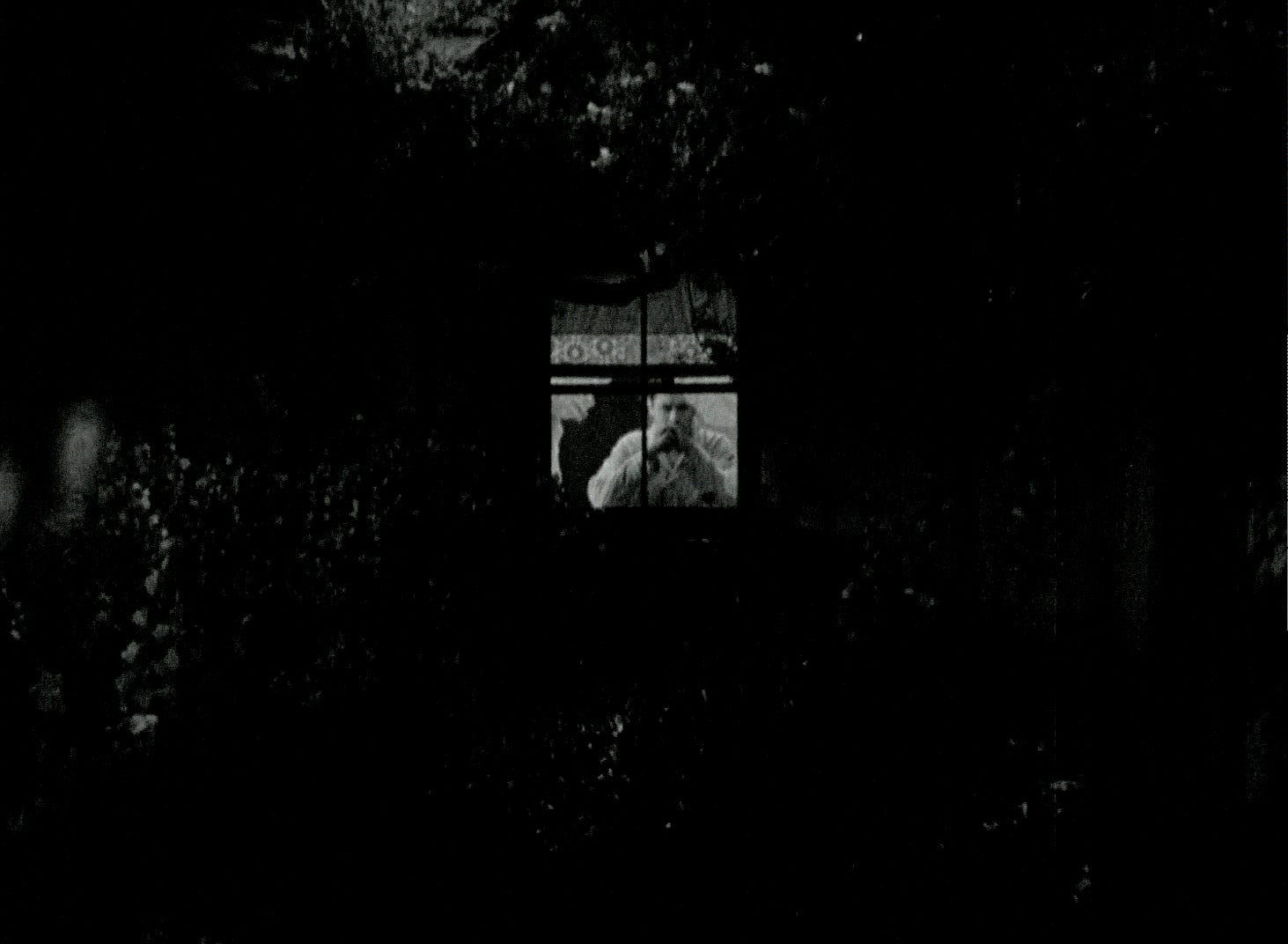
After all, there is nothing family-friendly about a strange man charming his way into the home of an old invalid in her old cottage in the middle of the woods while a murderer is on the loose.
In a review of the film, the National Board of Review Magazine published the following in June 1937:
It is a drama of steadily mounting tension and complication, shot through with intimations of repressed instincts and thwarted desires that keep a wild kind of terror barely held in leash hovering over the most ordinary comings and goings in that lonely house. It is much more than a melodrama, because everything that happens grows out of the inner natures of the people involved—the boy with his wiles and smiles and dimly glimpsed flashes of mania, the lonely old lady with her greed and selfishness and childless dependence, the girl with her surface hardness and inner sensitiveness, her unblossoming youth and her curiosity—half romantic, half cynical.
Night Must Fall is a well-crafted film, a mostly-faithful adaptation of the play, teeming with fine performances from its leads to its supporting players. (I particularly love its use of cat.) Its score is beautiful, haunting, and intentionally misleading. Romantic violins turn into something more dreadful, later on.


Night Must Fall, crucially, is not so much about who the murderer is; rather, it’s about whether or not he will get away with it. The audience never sees any gore or violence—partly because of the Production Code, but mostly because the audience doesn’t need to. The horror, sinister and dark, is lurking just under the surface, or hiding in the shadows, waiting for the right time to show itself. But what’s most striking about the film to me is how queer it is.
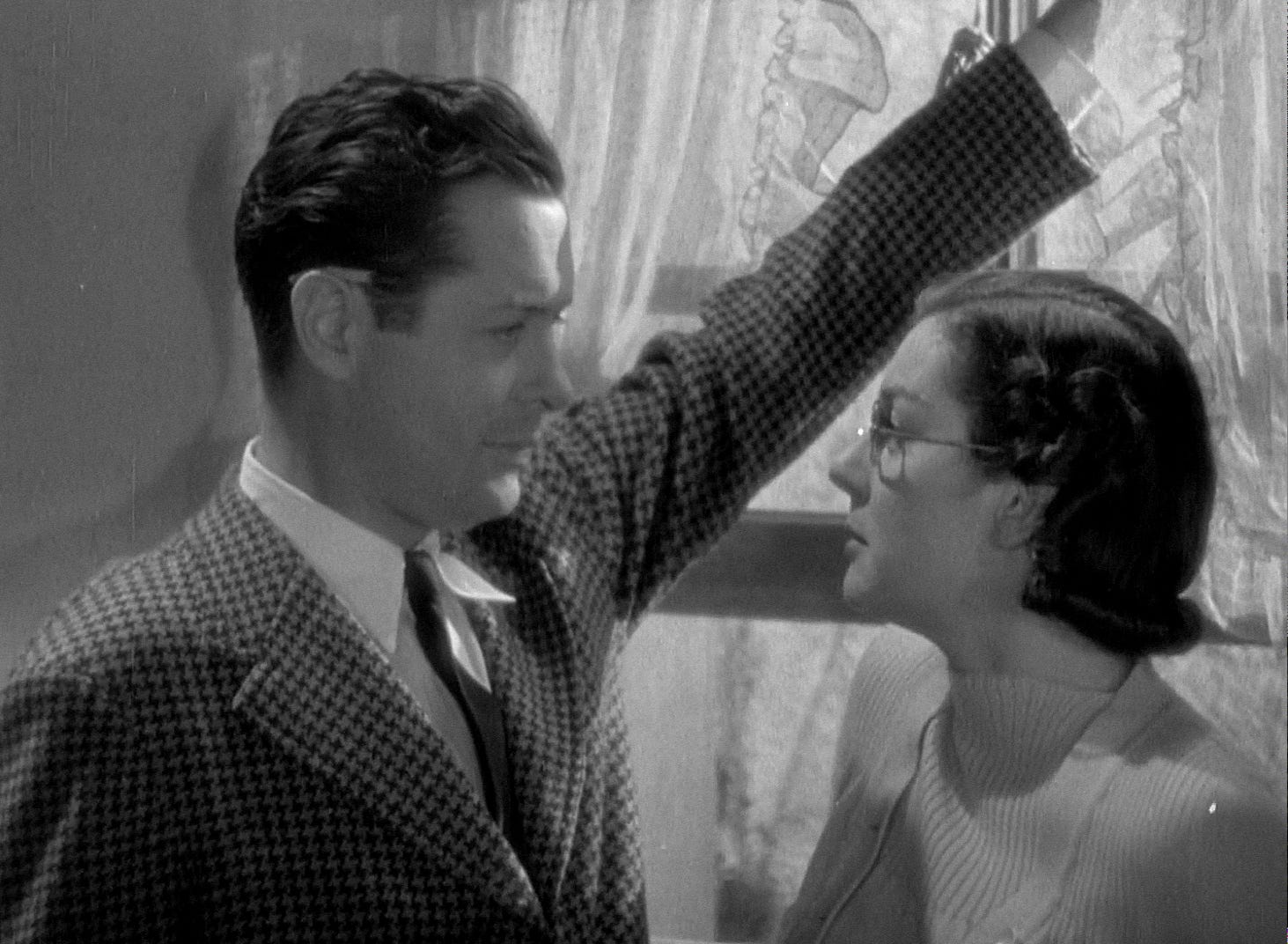
And I don’t mean gay, necessarily (though it is, and I’ll get to that later), but queer as in strange, odd, different.
Like most queer readings, I don’t assume that writer and actor Emlyn Williams, though openly bisexual, wrote this play—nor did John Van Druten adapt, or Richard Thorpe direct—to portray queerness. The film’s lead actor, who went on to receive an Academy Award nomination for his work as Danny, was a staunch conservative, with Bette Davis even going so far as to call him “pompous and ridiculously right-wing.” I’m sure he would hate this essay and start calling me slurs (“commie dyke” said with such vitriol would probably be one of them). But I digress.
When we look at the text, when we watch the film, when we listen to Olivia explain to Justin, her persistent suitor again and again why she doesn’t want to marry him, when in the kitchen, the tenderness between Olivia and Danny goes beyond sexual attraction… what do we get?
We get the pain of isolation and loneliness. We get the fear of being recognized. And then we encounter that dizzying feeling of finally being seen. Night Must Fall is a love story. It’s a queer love story. Unfortunately, reading it this way also means that it ends in tragedy. But reading it as such also emphasizes the profound connection that its two main characters, Danny (Robert Montgomery) and Olivia (Rosalind Russell) share.
As a lesbian, I’m used to seeing other queer people suffer and get hurt. I’ve experienced my fair share of homophobia. Men approaching you to ask if you could make out with your girlfriend in front of him. Being at the Pride March and conservative Christians holding up signs proudly and happily proclaiming that you will burn in hell for all of eternity. Refreshing your Instagram feed and learning that another trans woman has been murdered.
It’s scary to be gay. Every June, as we celebrate queerness, a part of my heart hurts too. I always catch myself singing “Unlikely Lovers” from Falsettos under my breath:
Let’s be scared together / Let’s pretend that nothing is awful
A lot of being gay is about pretending that nothing is awful. It’s about having enough patience to sit through your family members’ or friends’ explanations as to why it’s okay that they’re watching the new Harry Potter adaptation, actually. It’s about not wanting to forgive them—because it hurts—but forgiving them, anyway. A lot of being gay is about having the courage to keep on living because there are people around you who are just like you.
Danny and Olivia’s love story is a lot like that.
“I’ve been looking at you, too,” Danny tells her. “I understand you all right,” he says again sometime later. There is an instant recognition between them, an instant spark that lights up the rest of the movie.


They are startlingly honest with each other from the beginning. In one of their early conversations, Olivia asks him:
“You are acting all the time, aren’t you?”
“Yes,” Dan says.
“What are you like when you stop acting?”
“I don’t know; it’s so long since I stopped.”
“But when you’re alone?”
“Then I act more than ever I do.”
“Why?”
“I don’t know, because I like it. I—”
Remember when I said earlier Night Must Fall is also gay? Olivia Grayne, presented with a perfectly suitable man to marry, to take her away from her dreary life, away from her cantankerous aunt, repeatedly turns him down. She’s waiting for something to happen, she tells him, maybe something more exciting. But that feeling is all-too-familiar to women who just simply… don’t want to be with men. Danny sees that instantly, and finally, in the kitchen—that pivotal scene that always makes me cry—he describes to Olivia how she feels, without us ever needing to hear her confirm it herself.
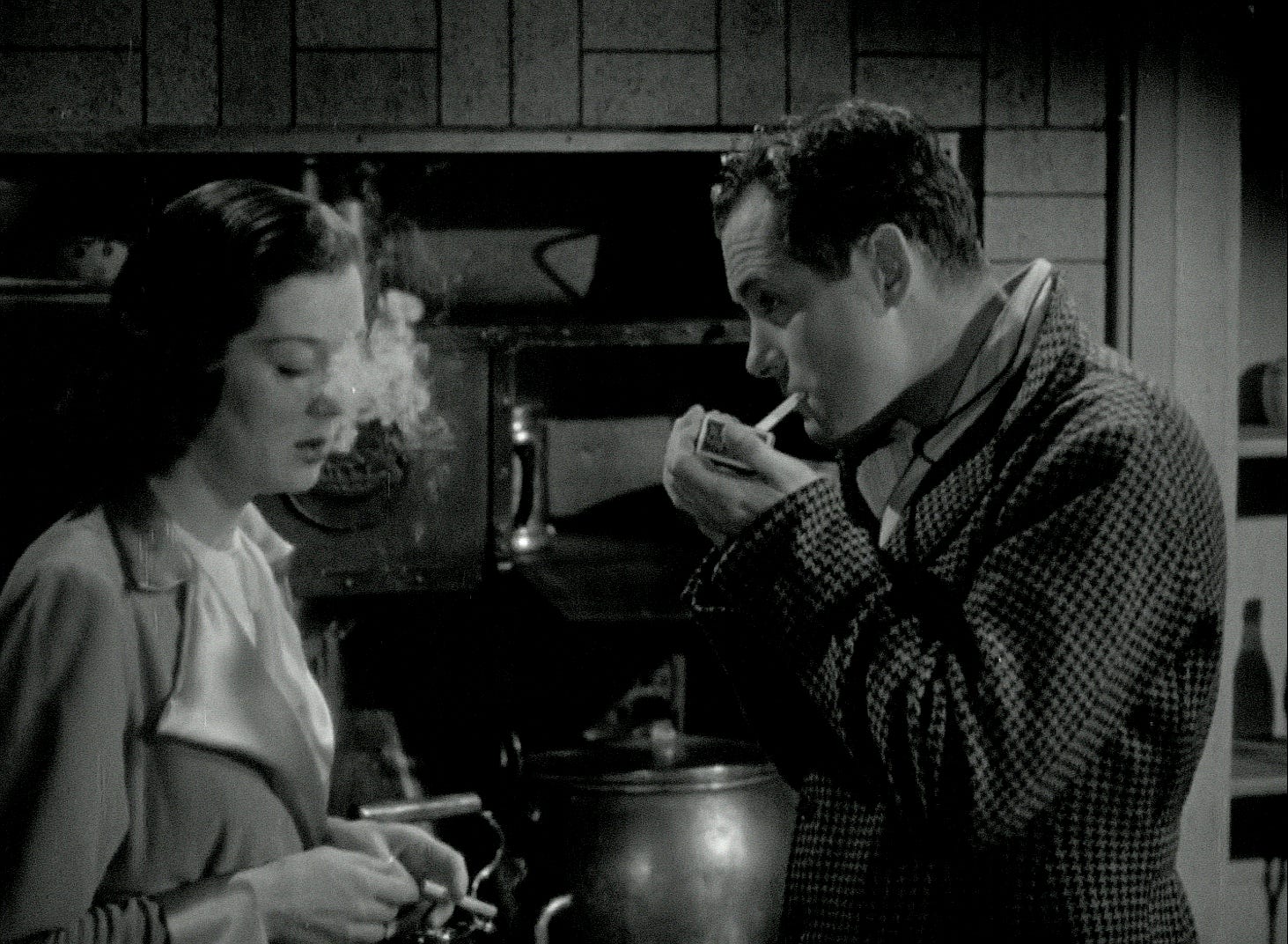
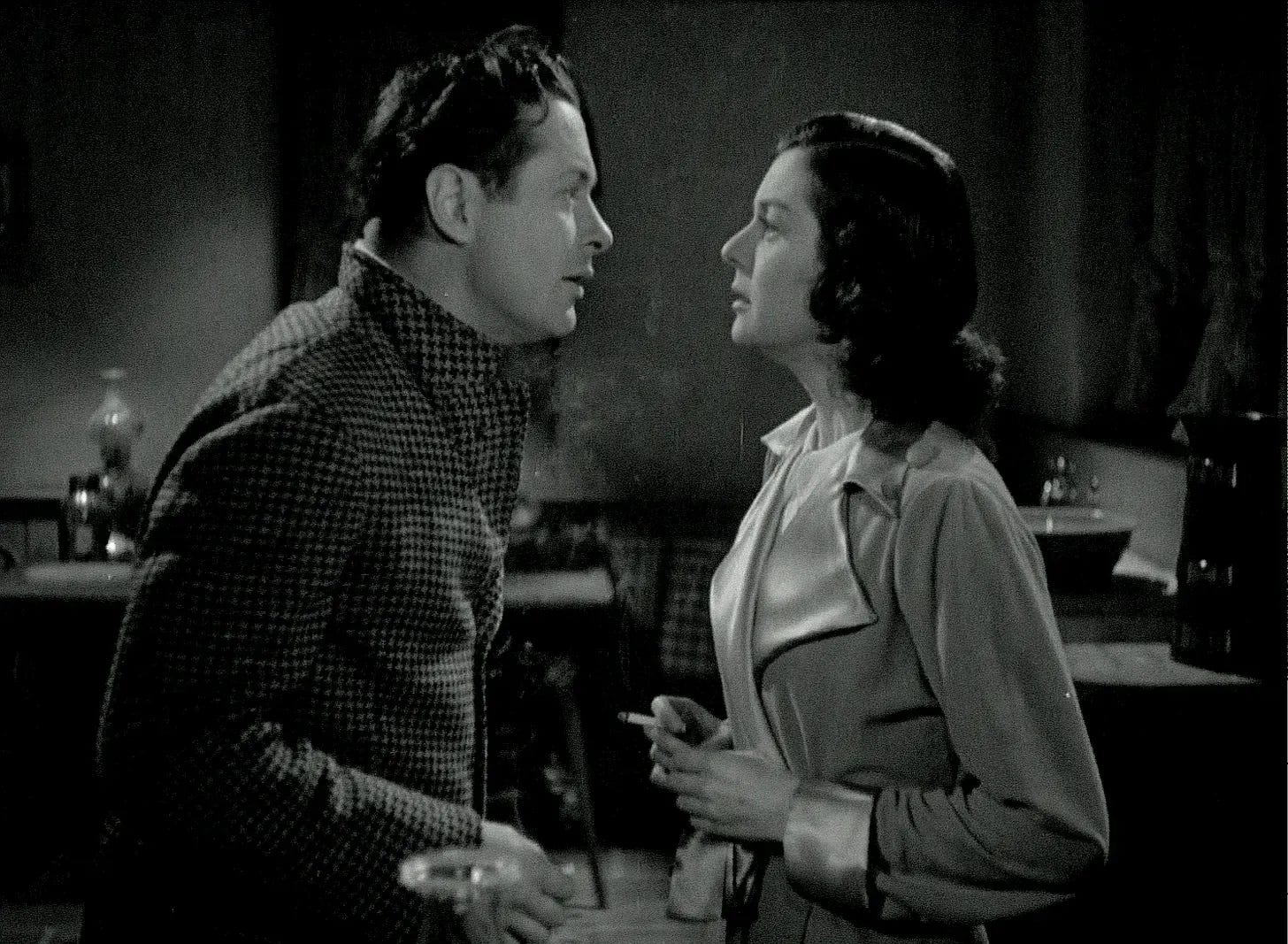
“Why aren’t you married? Hasn’t he asked you yet?”
“Oh, yes,” Olivia stammers. “Yes, he’s asked me, but I—”
Then Danny interrupts her:
“Ah, there you are, you see. You don’t like him. And you’re right, you know. He’s not the sort of a chap for you. You want adventure, don’t you? And it’s here, here in this house. Here, now, in this kitchen. The two of us, alone here, at this time of night. It’s excitin’, isn’t it? Something that’s never happened to you before, being alone at this time of night with a chap like me. You’re not frightened. You’re excited. I can tell you are. Your eyes are shining. You’ve got color in your cheeks. And you’re beautiful the way he’s never seen you. And you feel as light as air. The same as anybody out for the first time without their overcoat. And you haven’t had a drink, but you feel as if you have. And you never knew there was such a secret part inside of you. That’s why you come back this afternoon, wasn’t it? Wasn’t it?”
Their desire for each other is revealed, but there is already—and there long has been—an intimacy that goes beyond anything sexual. It was Dan who first told her how beautiful she already is without her glasses; it was him who inadvertently encouraged her to let her hair down, put on rouge and lipstick, and ditch the glasses altogether. It’s the thought of him that snaps her back to reality, when she thought she wanted to run away from it all.
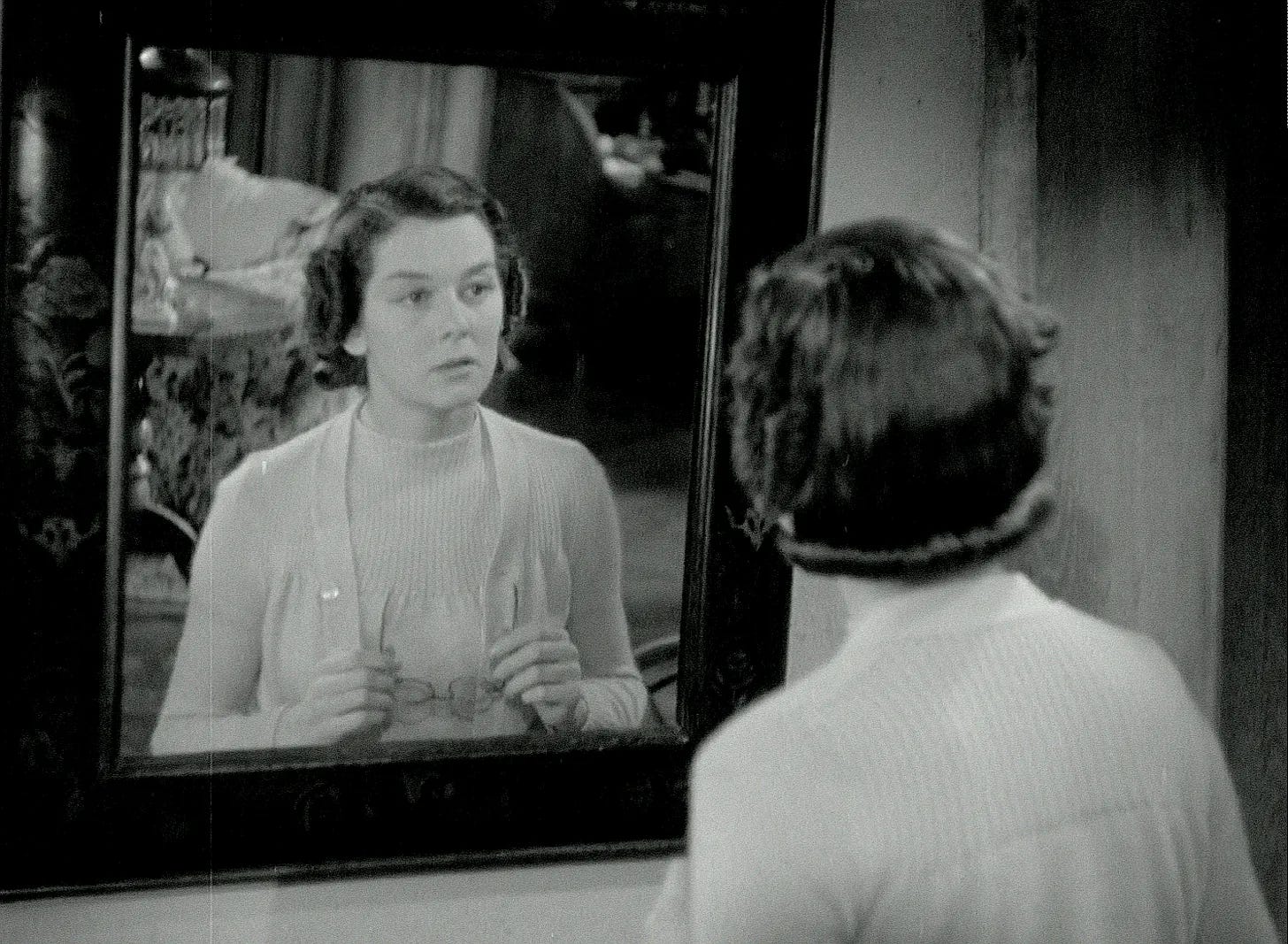
Certainly, there are other horrors present in this film. And this queer reading is only one way to examine it. There’s the more overt theme of sexual violence against women. Dan’s description of Mrs. Shellbrook is sickening, and always one of the more disturbing moments of the movie to me. He literally objectifies her, talking about her body parts as separate things. There’s the milder, yet no less horrifying reality for women, especially in 1937: that if you are still unmarried by your late twenties there is no more hope for you, and all that you can have is spinsterhood or an unhappy matrimony with someone you don’t love.
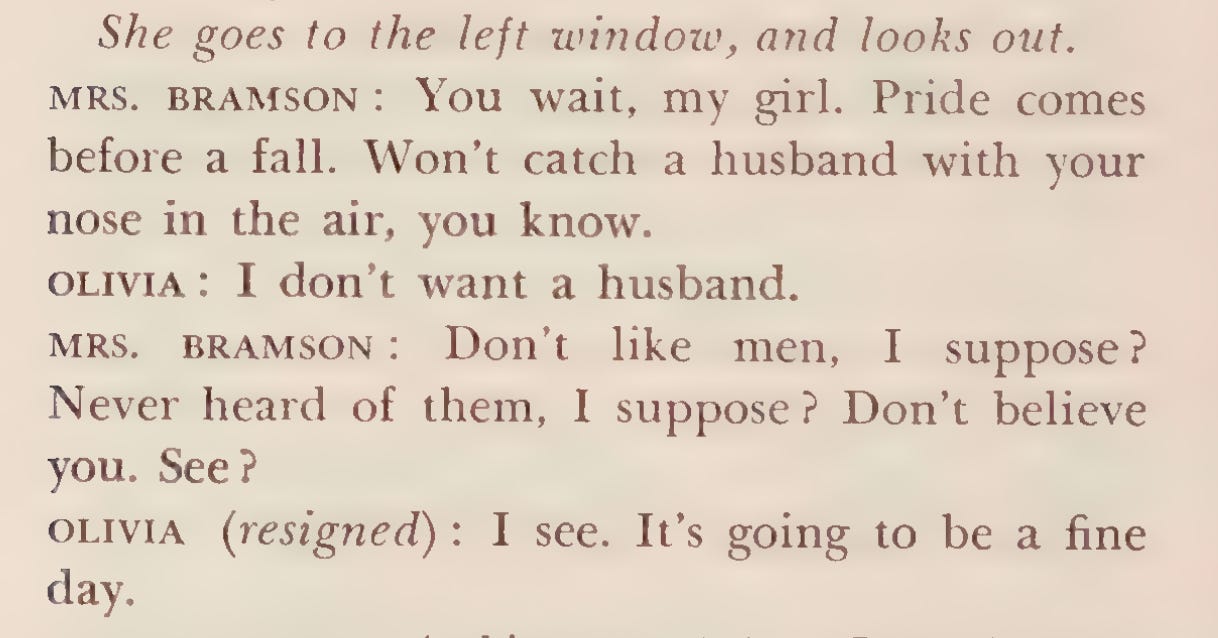
There’s the horror—or at least the reference to the horror—of shoving yourself back, or further and further, into the closet:
“Why were you lying awake that night?”
“You were awake too. Tell me why. You can’t sleep, can you? You can’t sleep! There’s something in the back of your mind that keeps you awake. Something you’ve pushed in the back of your mind that you can’t do anything about and never will.”
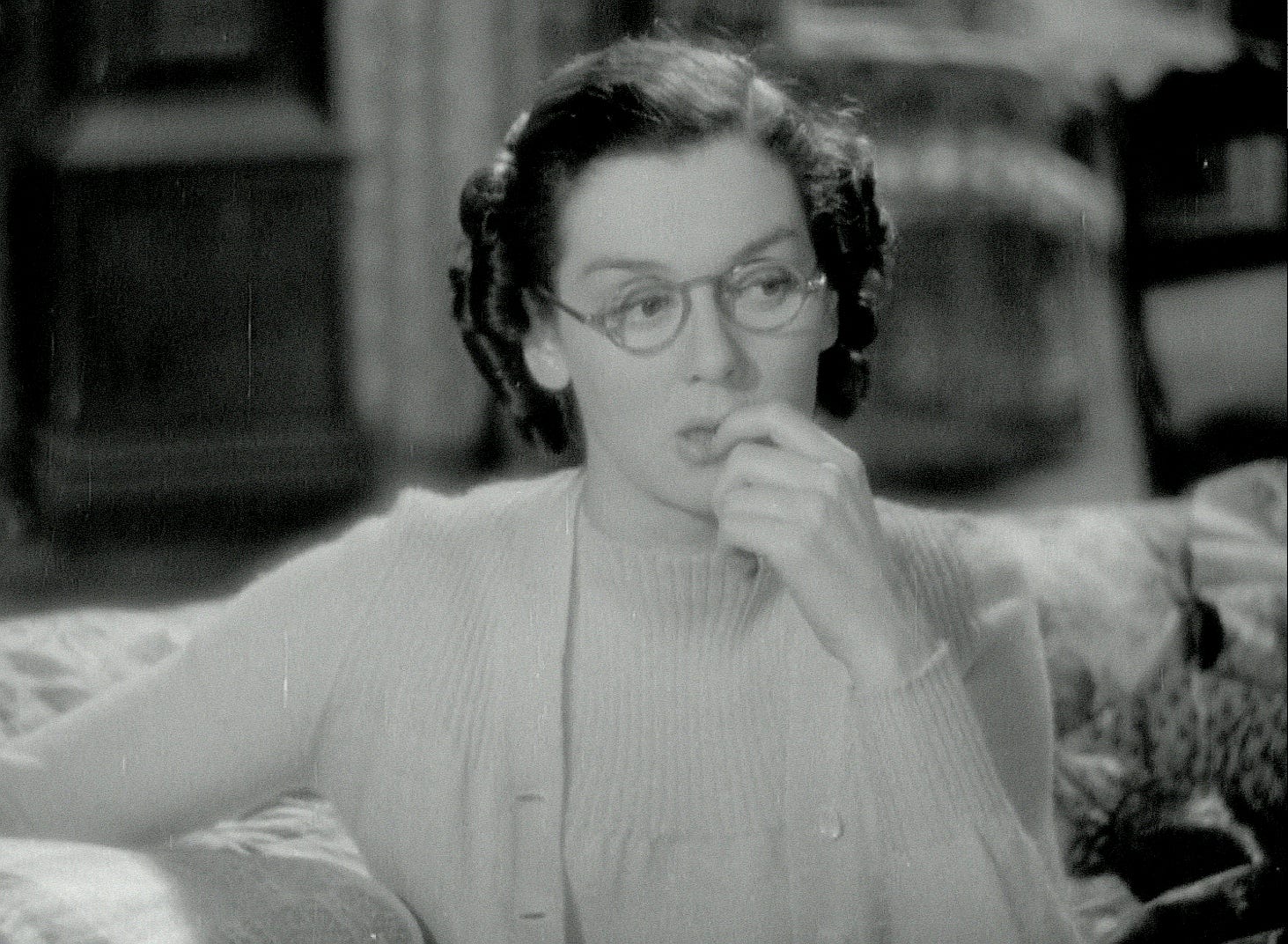
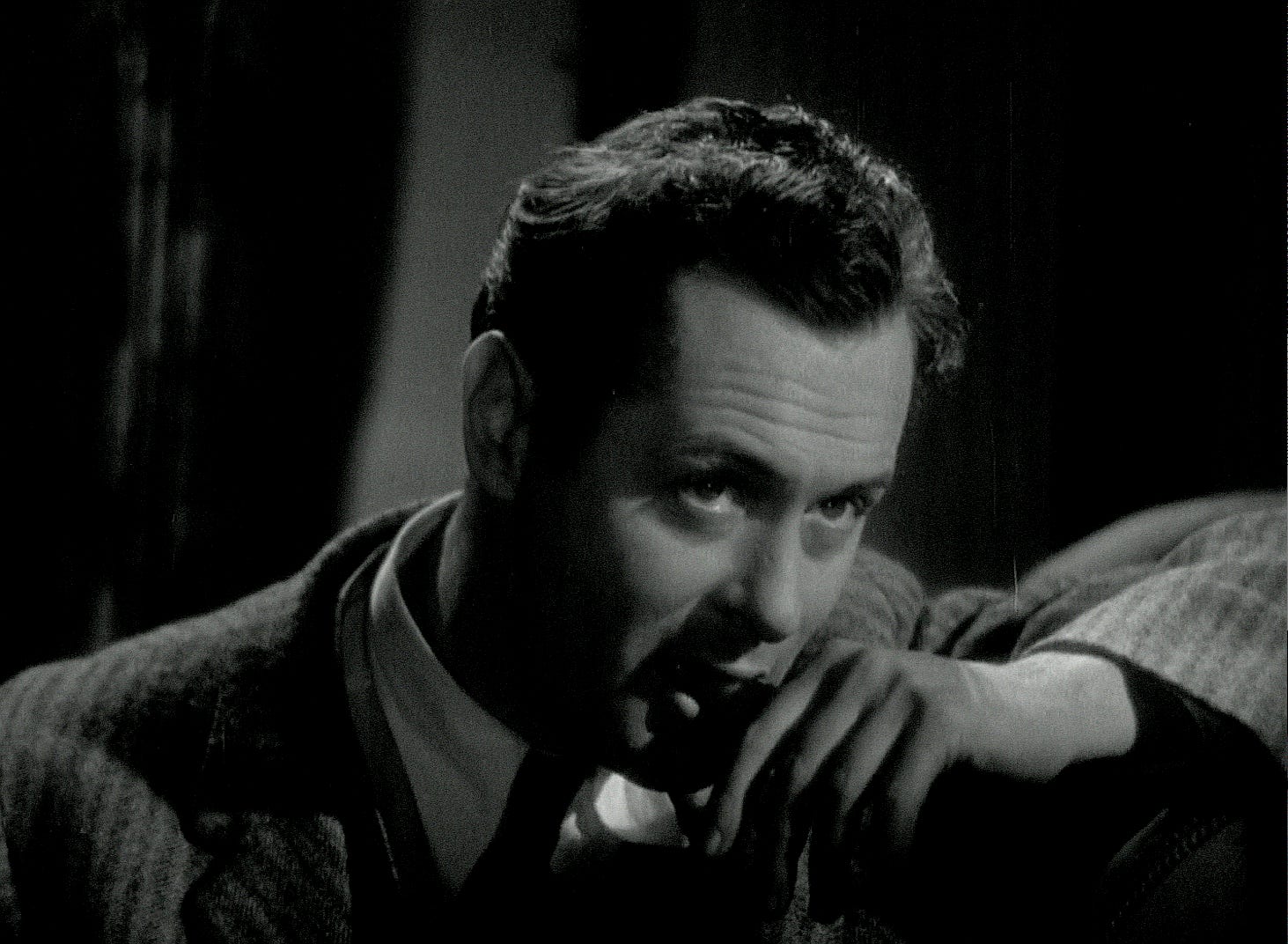
As a viewer, I always find myself rooting for Danny. Often, as the movie slows down to its final moments, I foolishly hope that the ending will be different. Alas, it is never to be.
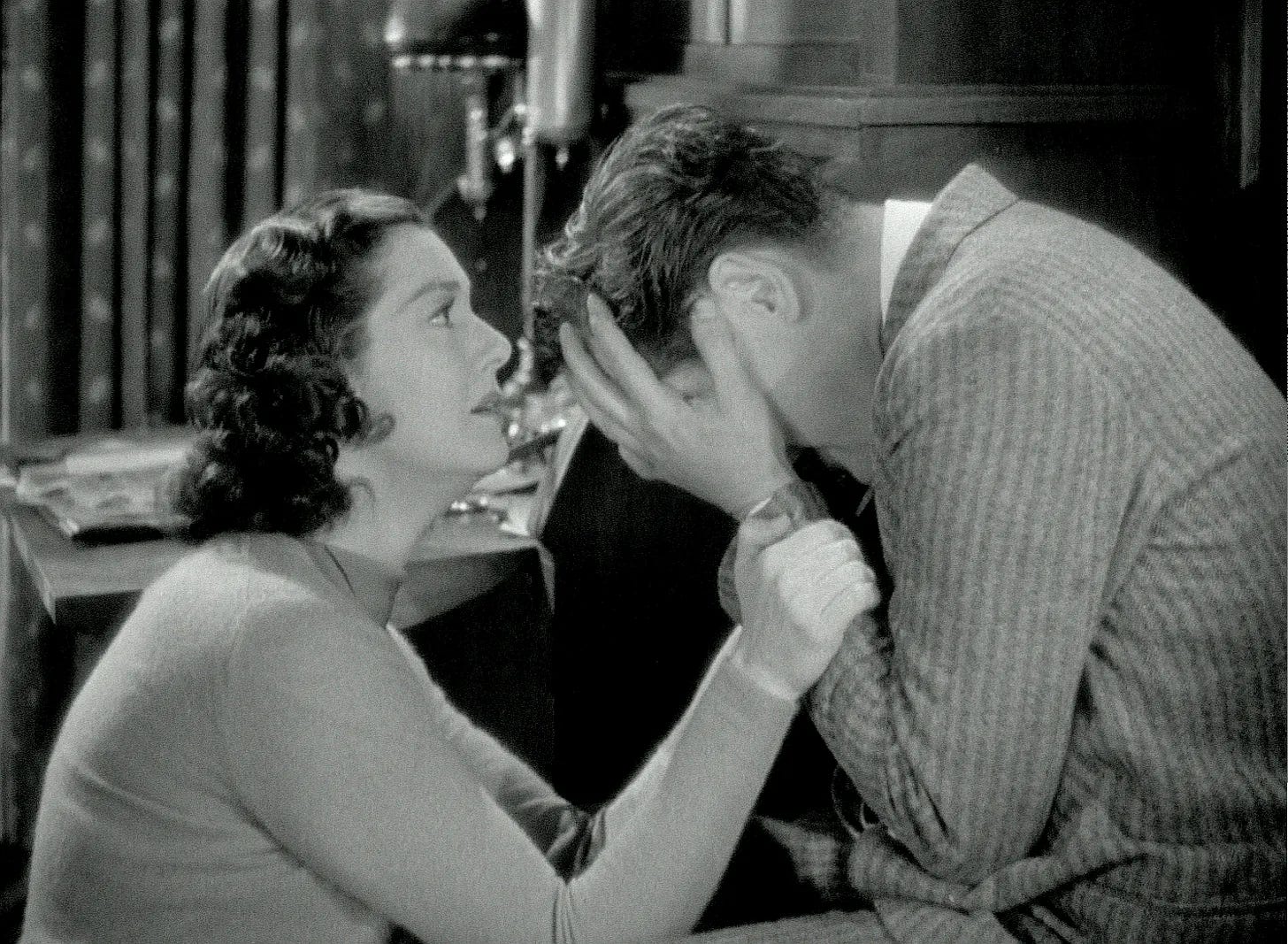
In the end, Olivia has no choice but to accept her fate with Justin. But her forlorn look as Danny is taken away in handcuffs is a look that will haunt me for a long time. Their lives are forever changed, their souls now forever intertwined. They have tasted what it’s like to finally be known and accepted, but all of that is taken from them anyway. It’s an unfortunate ending when read this way, like I said. As a Hollywood ending, it’s all fine and dandy: the law wins, the bad guy is caught, the girl lives happily ever after. It ends this way in the play, too, except for one significant change.
In the play, they kiss.
The Falsettos lyrics I quoted above—lyrics that I quote often, lyrics that perfectly put into words and music how it feels to exist as a gay person—are both an invitation to face this world and all its horrors, and a plea to ignore all that is bad. But those lyrics are followed by some of the most hopeful words in all of musical theater, and in all the world, actually:
There’s nothing to fear / Just stay right here / I love you.
After all, what’s better than being queer with other queer people, especially those that you love?
Happy Pride! What movies are in your personal celluloid closet?
An excerpt I recovered from a lost blog post in a lost blog somewhere.
I had no interest in sleeping with a man; I just wanted to see what kind of men thought I was attractive.
“Rosalind Russell,” Conversations with Classic Film Stars: Interviews from Hollywood’s Golden Era, p. 249